disorienting plans
Aronson Galleries
New York, NY | 2022
New York, NY | 2022
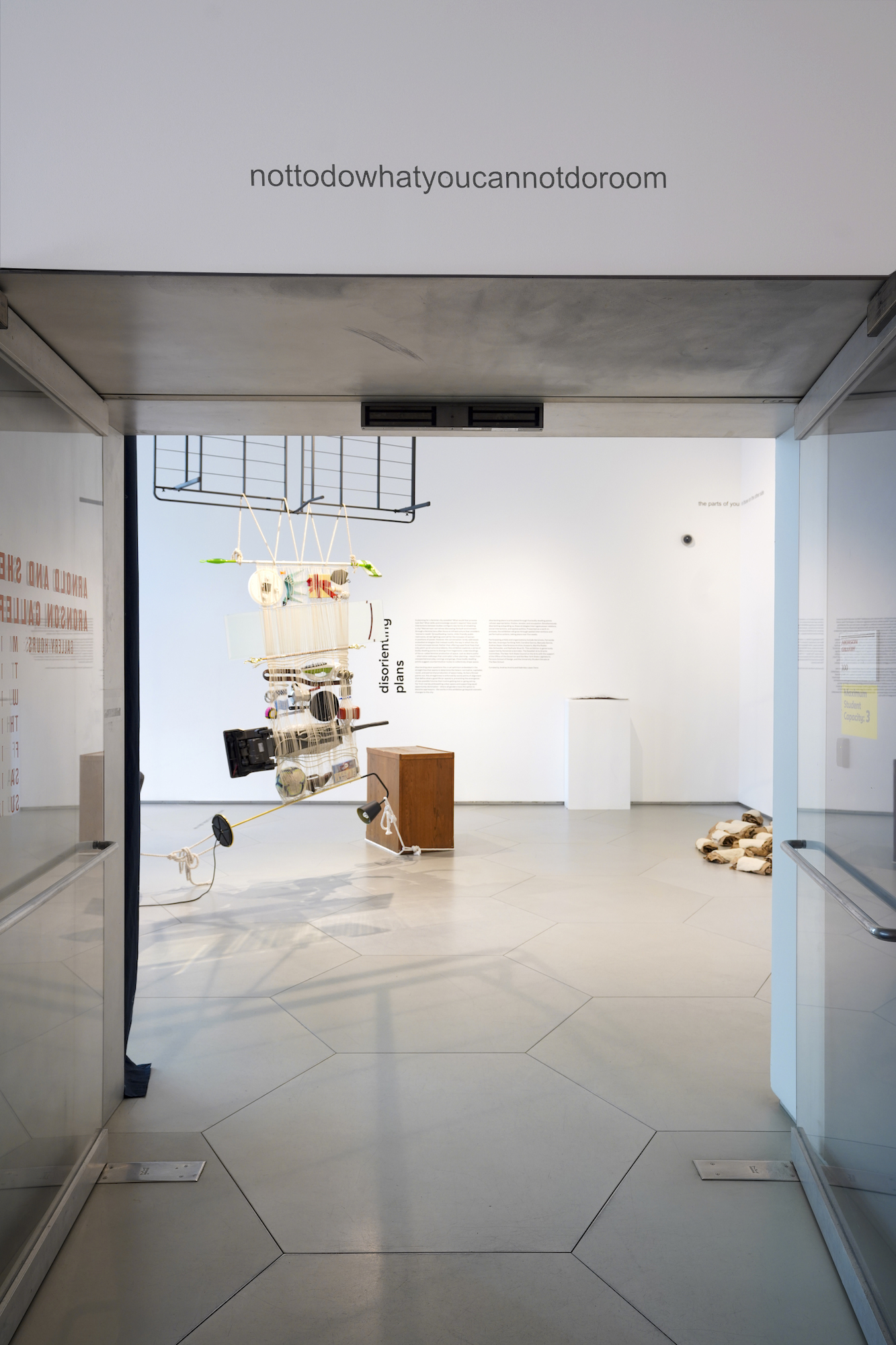
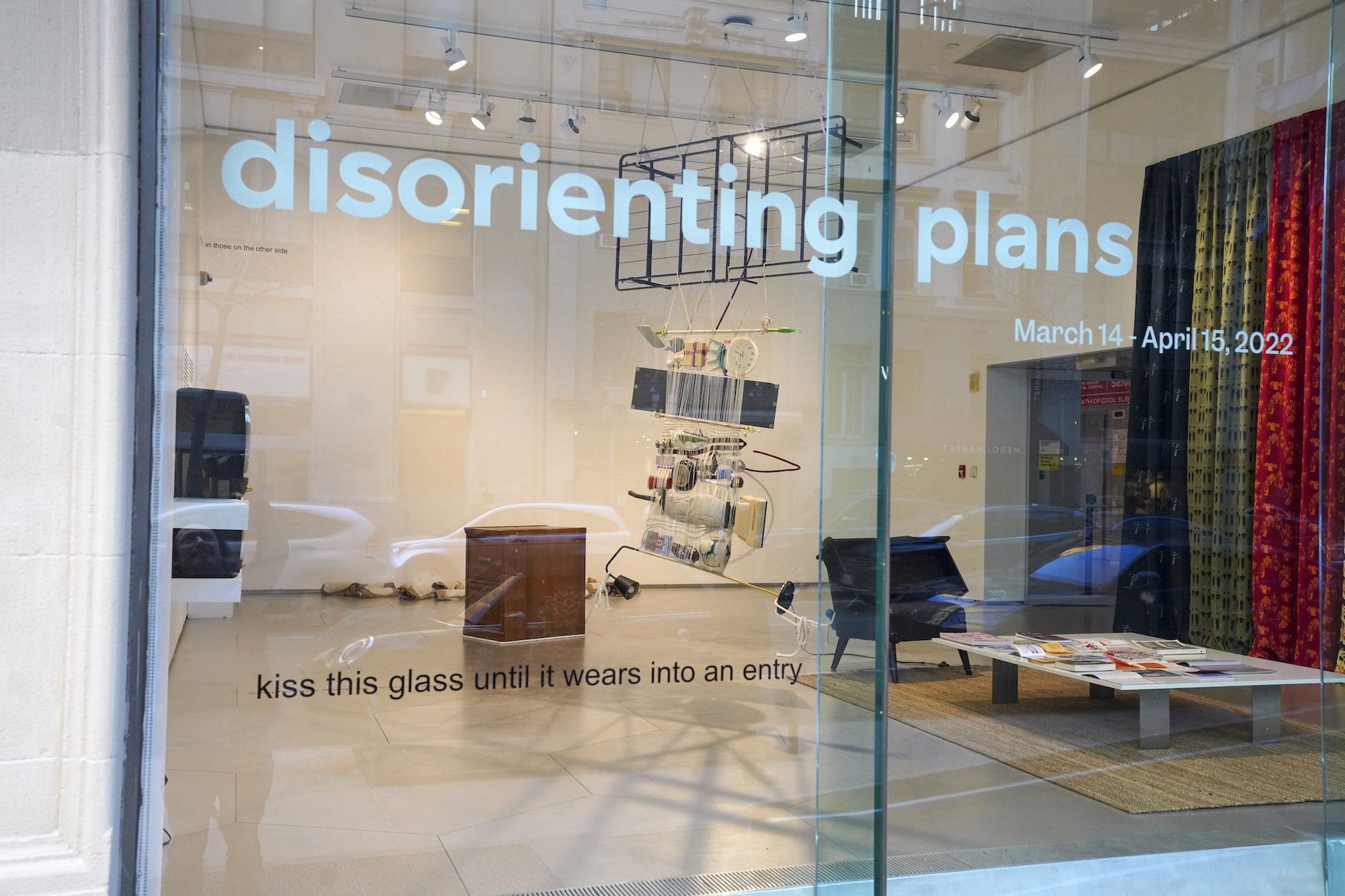
Is planning for a feminist city possible? What would that process look like? What skills and knowledge would it require? How could interactions between bodies configure new forms of inhabiting a city? Mainstream narratives discussing the built environment through a feminist lens often focus on infrastructure that considers “women’s needs” (breastfeeding rooms, child-friendly public restrooms, street lighting) and call for the inclusion of women in positions of power. However, the conversation rarely addresses embodied strategies that modify the way in which the city is lived and experienced. Rather than offering superficial fixes that only patch up structural problems, this exhibition explores a series of bodily dwelling points to diverge from hegemonic understandings of the so-called feminist production of space. Just as desire paths—alternative walkways that contradict urban planning—result from unexpected everyday comings and goings, these bodily dwelling points suggest counterintuitive routes to collectively shape space.
disorienting plans questions the cruel optimism embedded in the straight line that seems to determine the hetero-normative, capitalist, racist, and patriarchal production of space today. As Sara Ahmed points out, this straightness is enforced by social points of alignment that define what a good life (or space) is, preventing the emergence of possible futures that involve getting lost or going astray. Far from merely pinkwashing urban space and supporting equal opportunity domination—where all genders have the option to become oppressors—the works in this exhibition go beyond cosmetic changes to the city.
disorienting plans is articulated through five bodily dwelling points: refusal, appropriation, friction, tension, and occupation. Simultaneously disorienting and guiding us, these strategies interrogate power relations, social interactions, and spatial politics. Presented as a work-in-process, the exhibition will grow through spatial interventions and performative actions, taking place over five weeks.
Participating artists and organizations include Aeromoto, Fernanda Barreto, Anamaya Farthing-Kohl, Manuela García, Andrea Geyer, Interference Archive, Invasorix, Martha Rosler, Alex Schweder, and Nathalie Wuerth.
disorienting plans is curated by Gabriela López Dena and Andrea Ancira.
This exhibition is generously supported by Konstnärsnämnden, The Swedish Arts Grants Committee, The New York State Council on the Arts with the support of the Office of the Governor and the New York State Legislature, Parsons School of Design, and the University Student Senate at The New School.








refusal
- to produce an outside while, on the inside, creating an opening for models of living otherwise.
- to use the same mechanisms that characterize the object of criticism through irony.
friction
- the ways in which people and ideas rub up against each other, producing unpredictable outcomes (sometimes conflict, sometimes collaboration).
- heterogeneous and unequal encounters lead to unexpected or unpredictable configurations of culture and power.
tension
-
a body finds its balance through dynamic inclinations.
-
speaks of the potential of elongating/expanding our bodies through a state of stress (pulling and stretching our material conditions).
appropriation
-
taking elements of a process, practice, or idea and recasting them in a situated way.
- carries the ambivalence of the trace that lingers and outdoes itself.
occupation
-
tactic of opposition based on seizing spaces of oppression to re-signify or repurpose them by placing the body.
- strategy in which bodies gather to create autonomous community zones, calling for greater justice, a release from precarity, and a livable life.
about the artworks
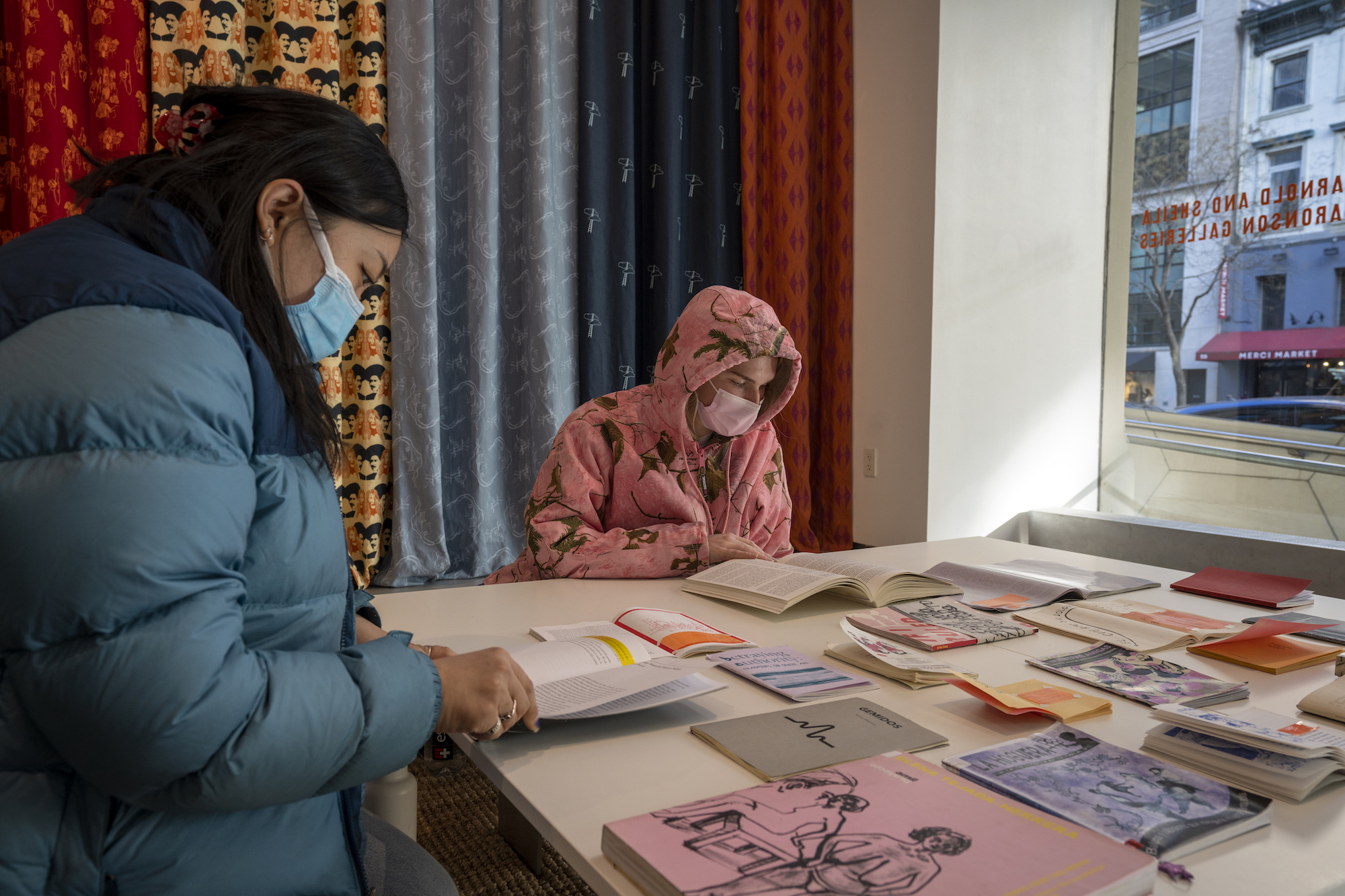
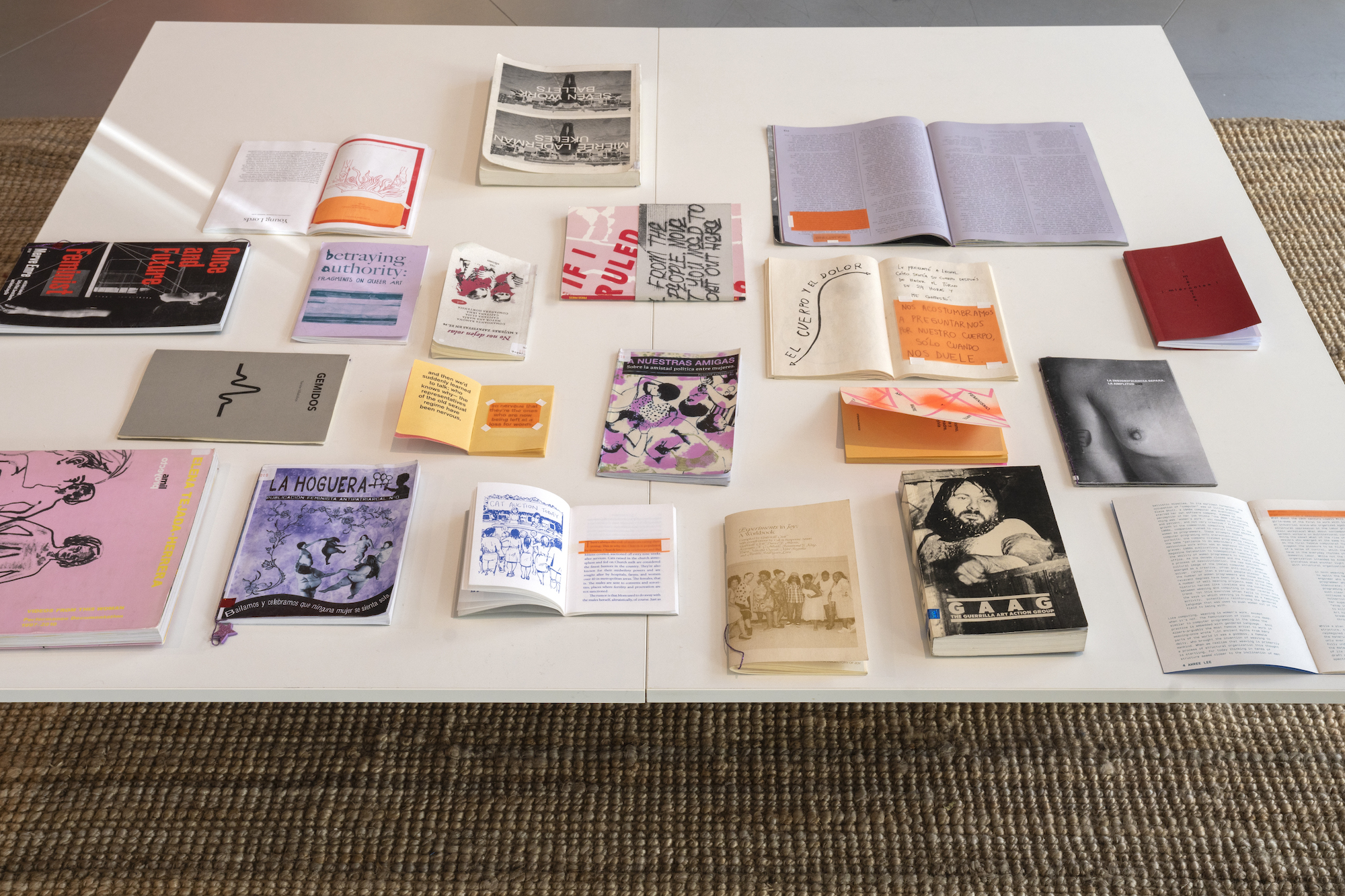
Aeromoto Public Library
Selection of books from Aeromoto’s collection featuring highlights by Maru CalvaFernanda Barreto
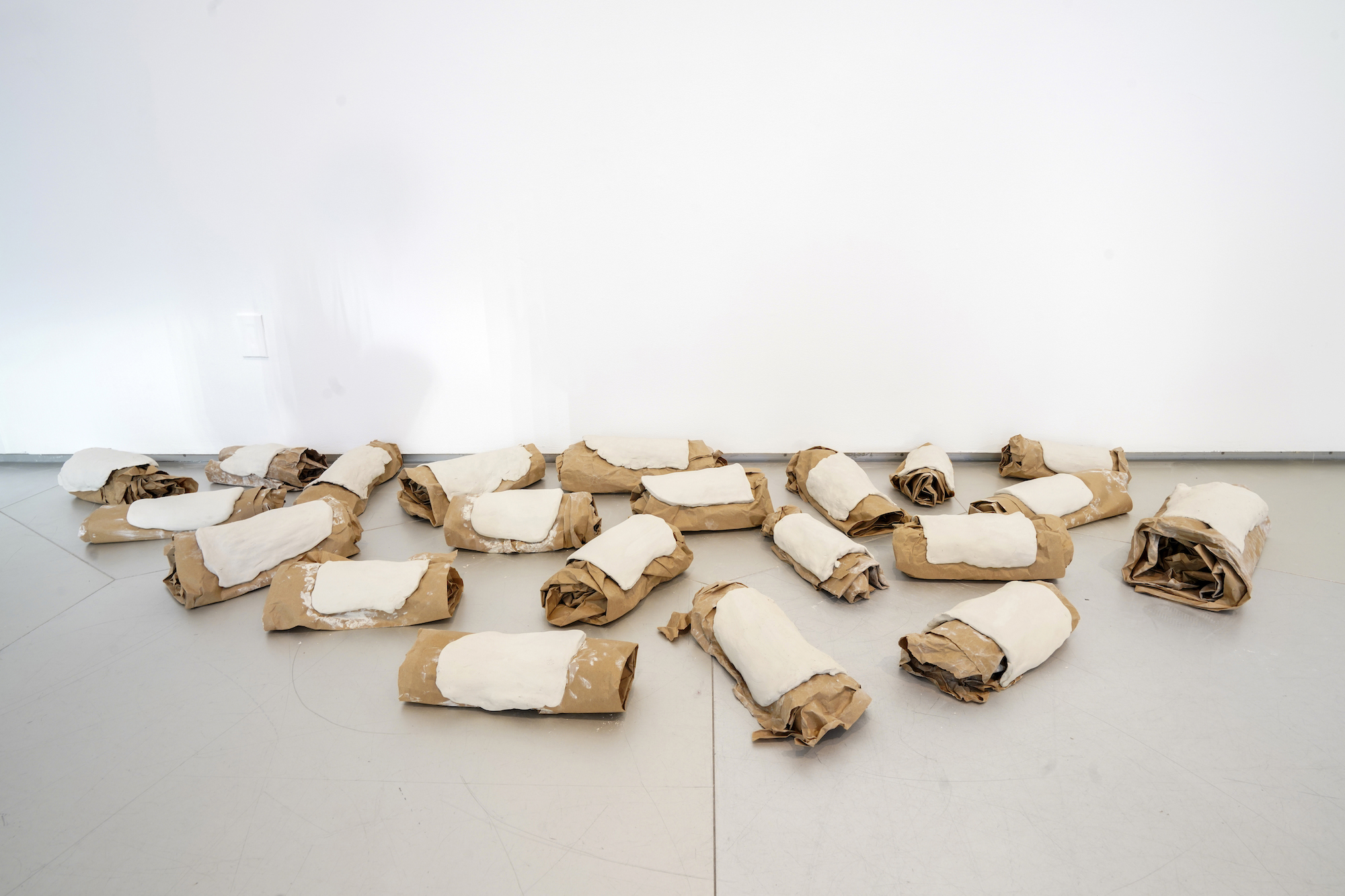
Techo común (Common Roof), 2018-2022Performance, clay installation
On-site action where a group of students at Parsons School of Design created roof tiles using their thighs as molds. The project is based on the popular Brazilian saying feito nas coxas (done on the thighs), which has roots in the country’s colonial past, when roof tiles were made on the thighs of enslaved black women.
Anamaya Farthing-Kohl & Nathalie Wuerth
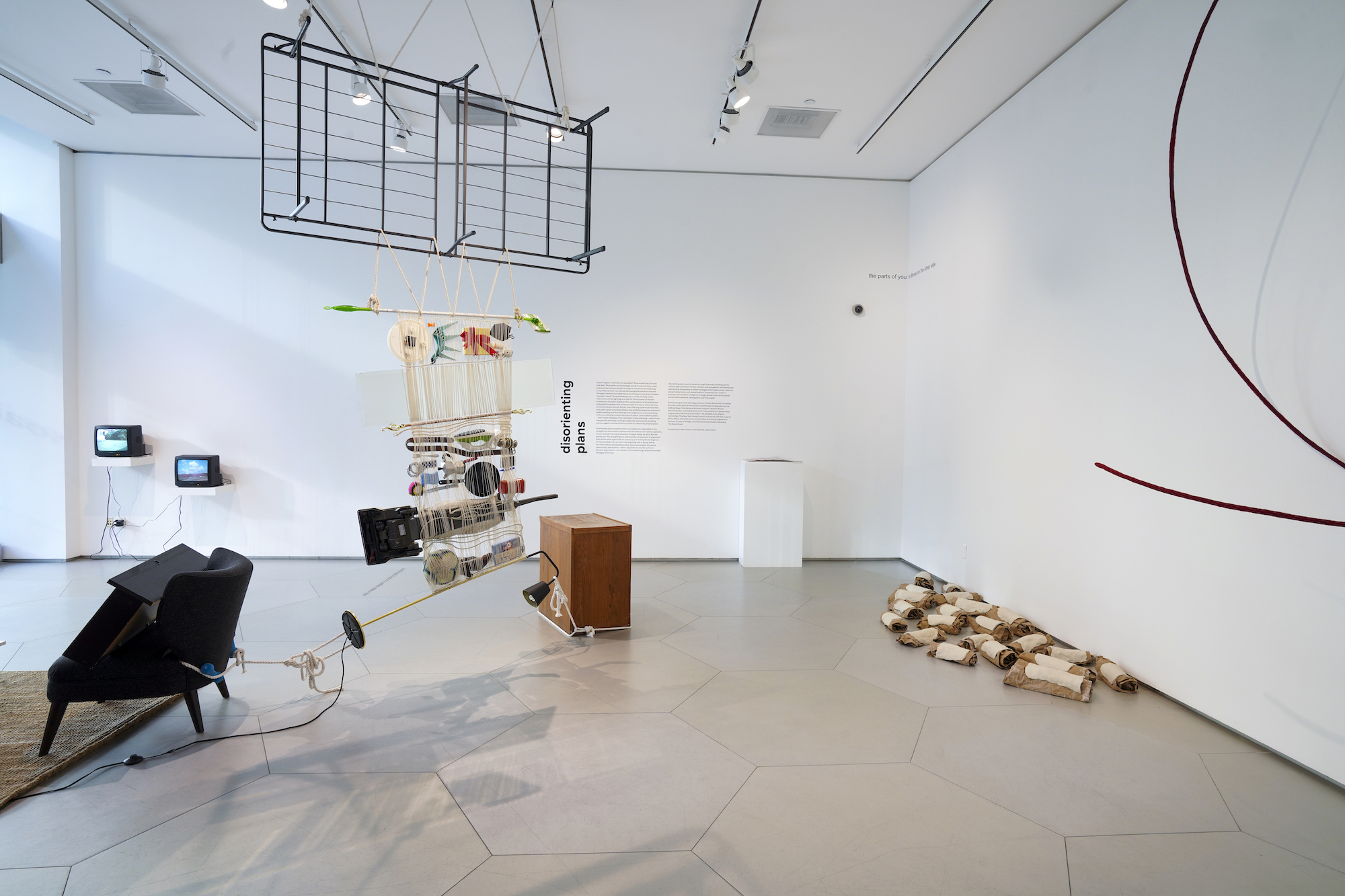
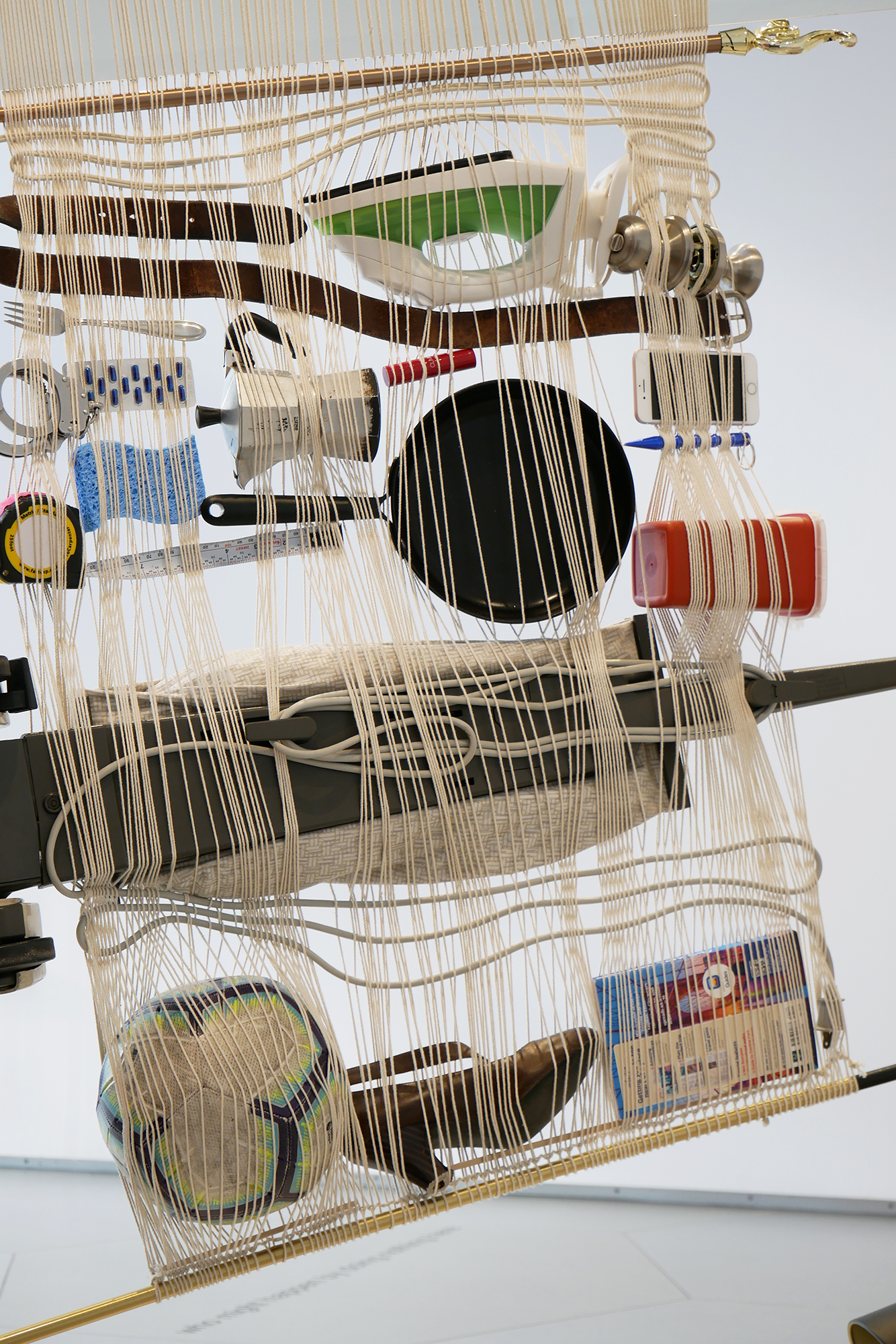
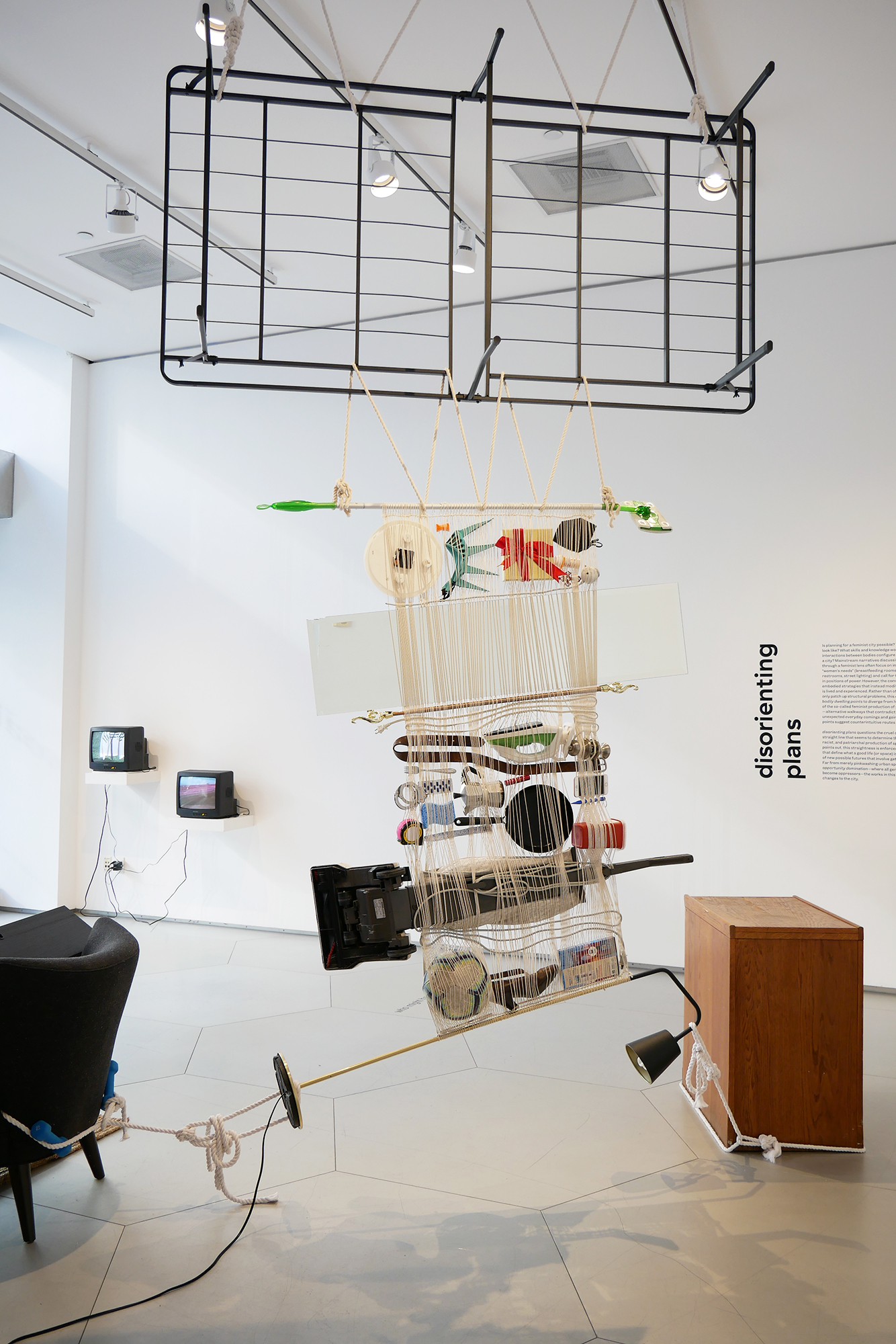
This Mantled, 2022Warp and found objects
This installation is the result of Skäl /ɧɛːl/ for weaving, a workshop inspired by Audre Lorde’s text The Master’s Tools Will Never Dismantle the Master’s House. The project approaches weaving both as a craft and a method to think through our cosmology of things: things we order and things that order us.
Manuela García
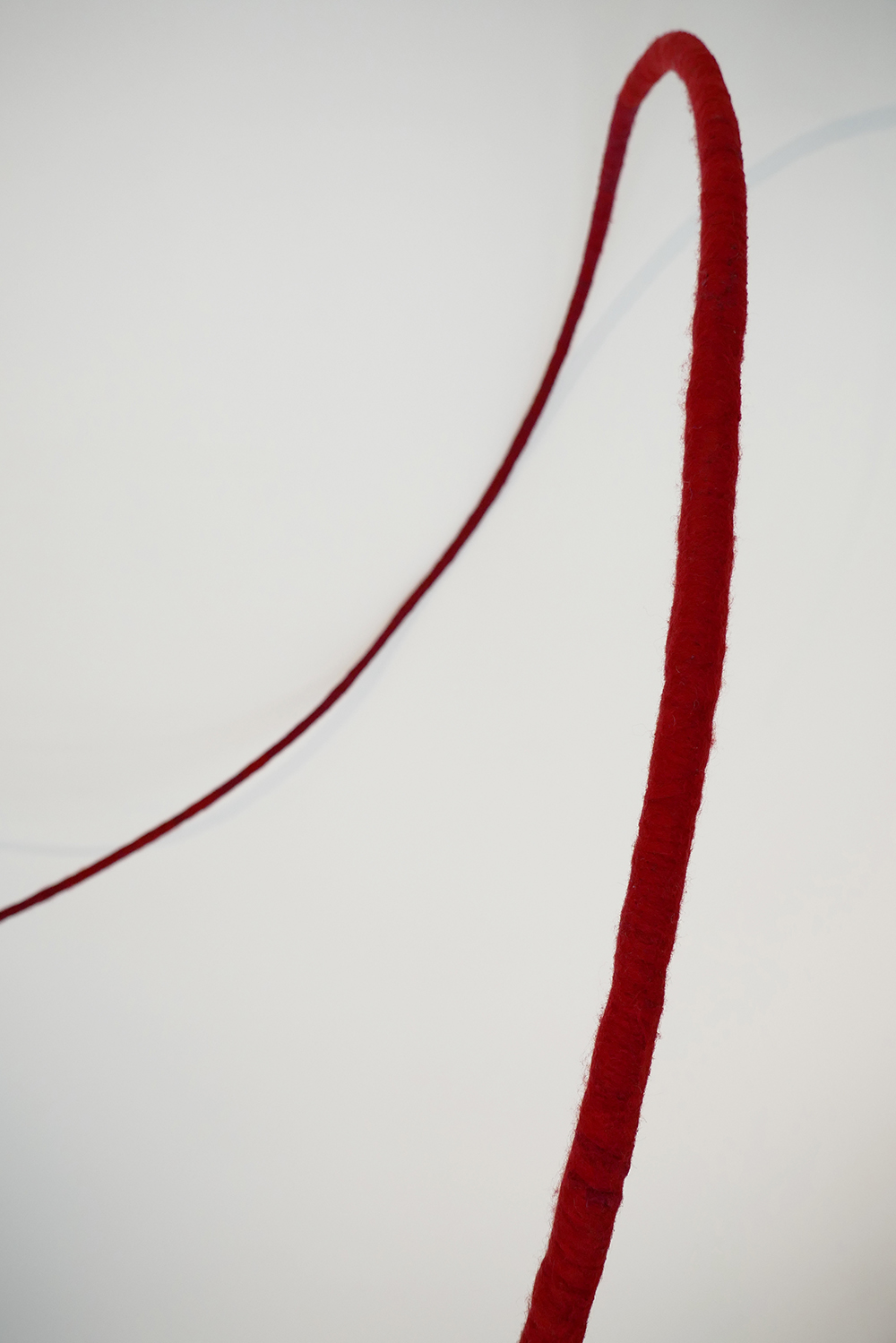
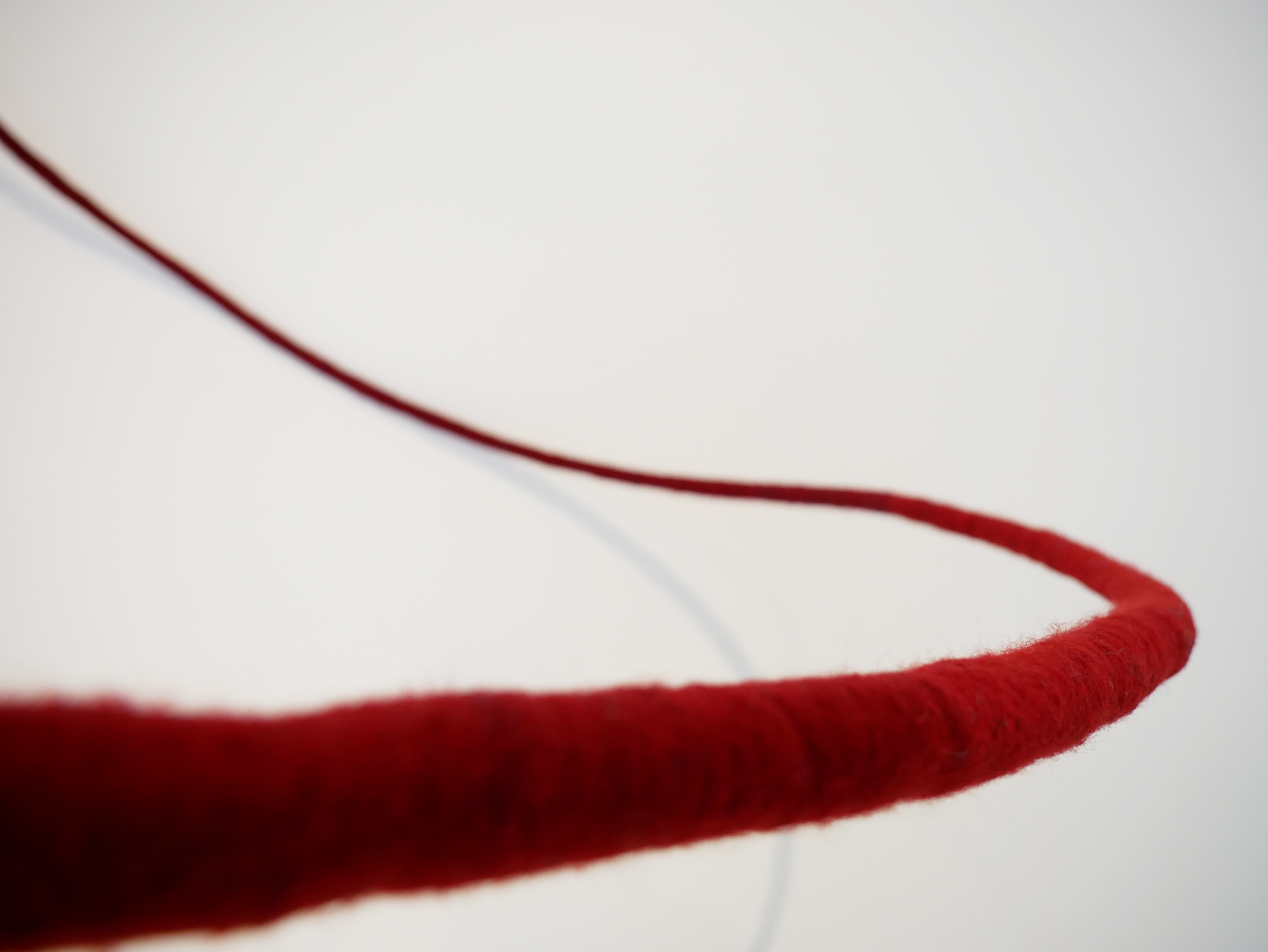
Red Line, 2022Felted wool fabric on metal, site specific
Andrea Geyer
Collective Weave, 2017Silk-screen prints on linen
Printed by Anne Kirk Textiles, San Francisco Collective Weave is a unique set of linen textiles whose silk-screened patterns are based on illustrations sourced from zines and flyers from lesbian and feminist organizations in the United States—particularly in the Bay Area—dating from 1957 to 1976.
Collective Weaves
The Ladder, July 1957, v1 no10 (Art Editor BOB)
The Ladder, May 1959, v3 no8 (P.L.,Paris, France)
The Lesbian Tide, April 1973, v2 no9 (Maggie Brauner)
Sisterhood is Powerful (Monica Sjöö)
The Tide / April 1974, v3 no7 (Kitty Helms)
The Ladder / JUly 1957, v1 no10 (Art Editor BOB)
Daughters of Bilitis
INVASORIX
Ladrillos feministas (Feminist Bricks), 2020Plaster bricks, leaflet, and videos, color, sound
How to Make a Feminist Brick: the Exquisite, 2’32’’
How to Make a Feminist Brick: the Crafty and Flirty, 0’55’’
Feminist Bricks, 2’18’’
Martha Rosler
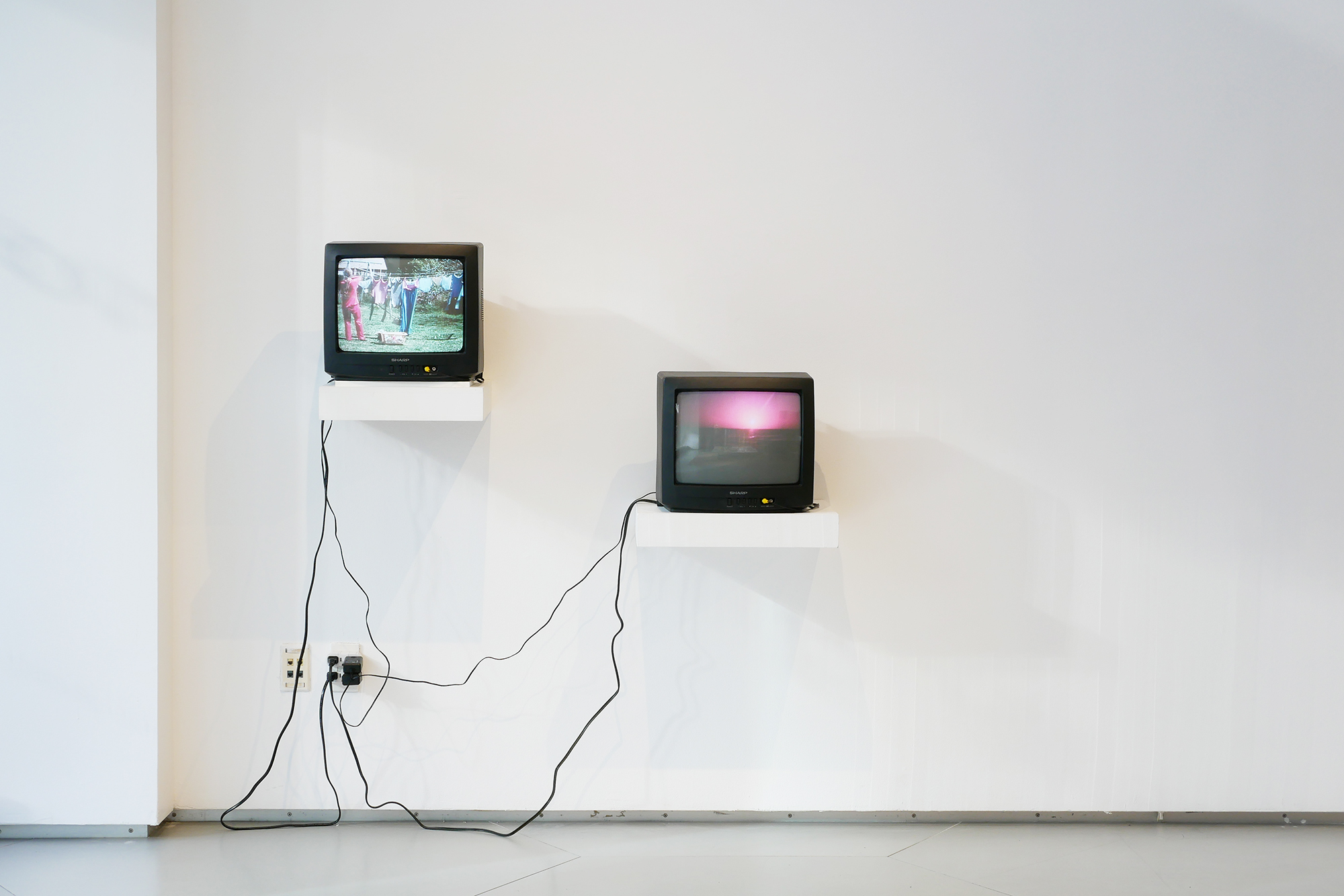
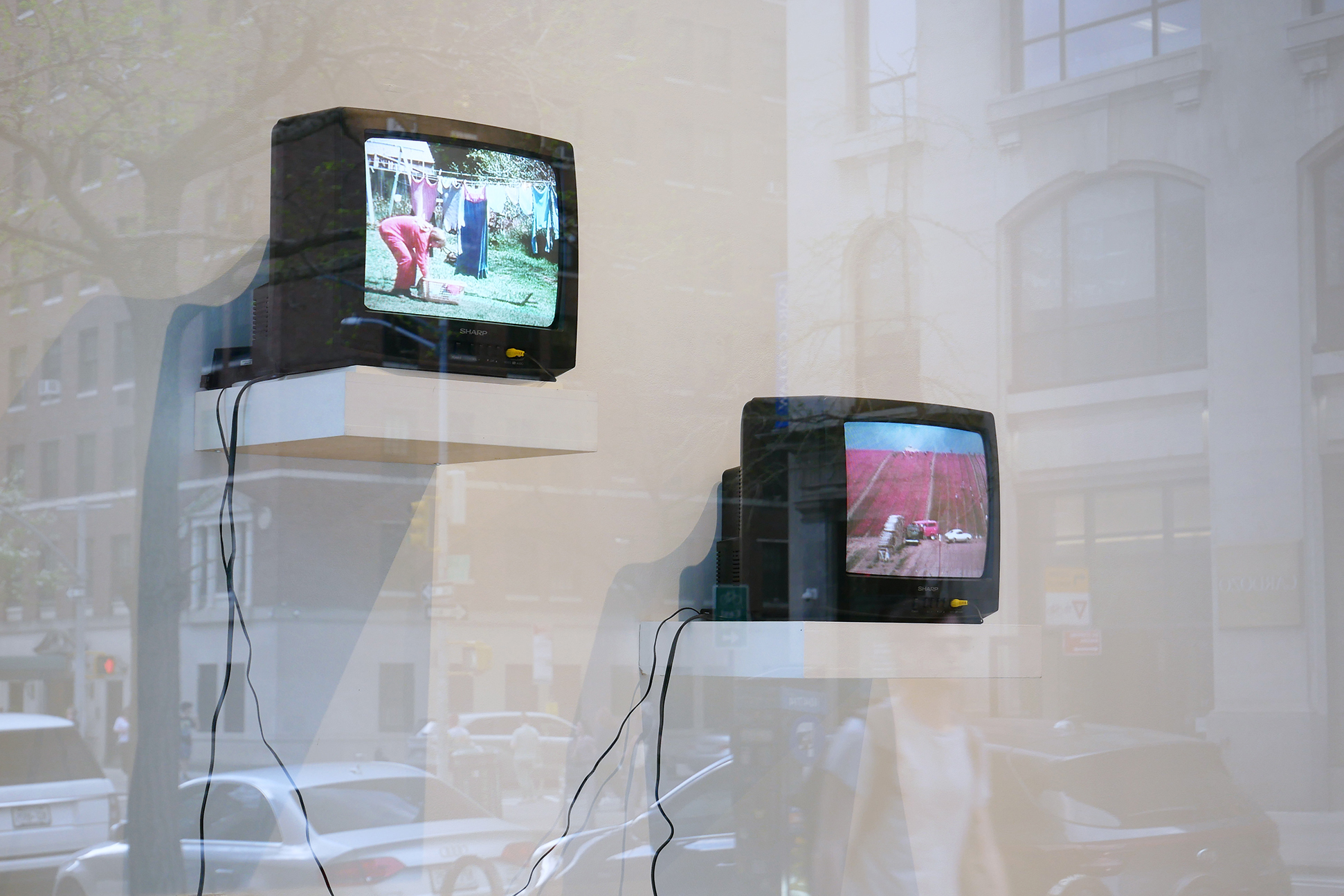
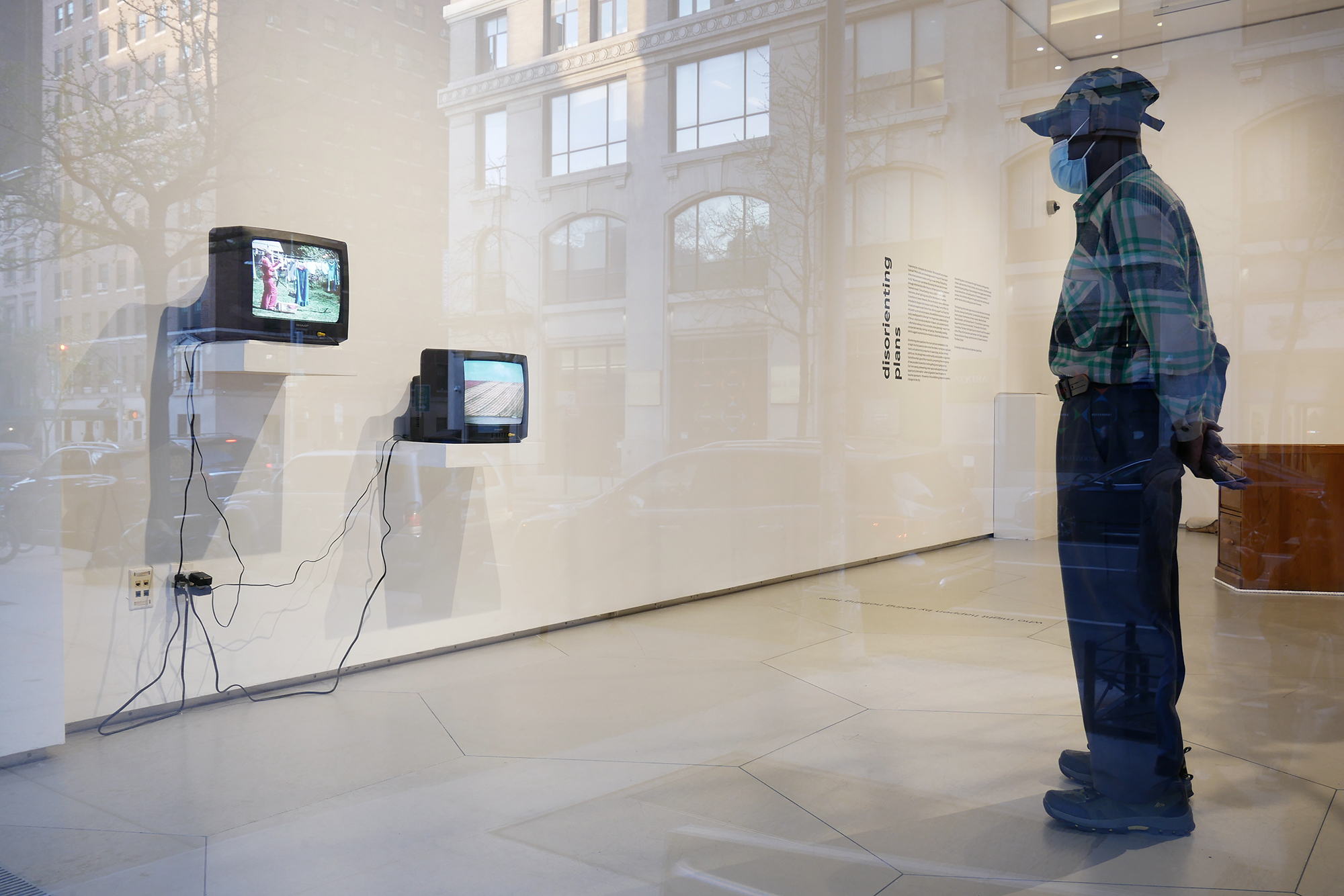
Backyard Economy, 1974Super 8mm film on video, 14’50’’, color, silent
Backyard Economy , 3’26’’
Backyard Economy II (Diane Germain Mowing), 6’32’’
Flower Fields, 3’37’’
Alex Schweder
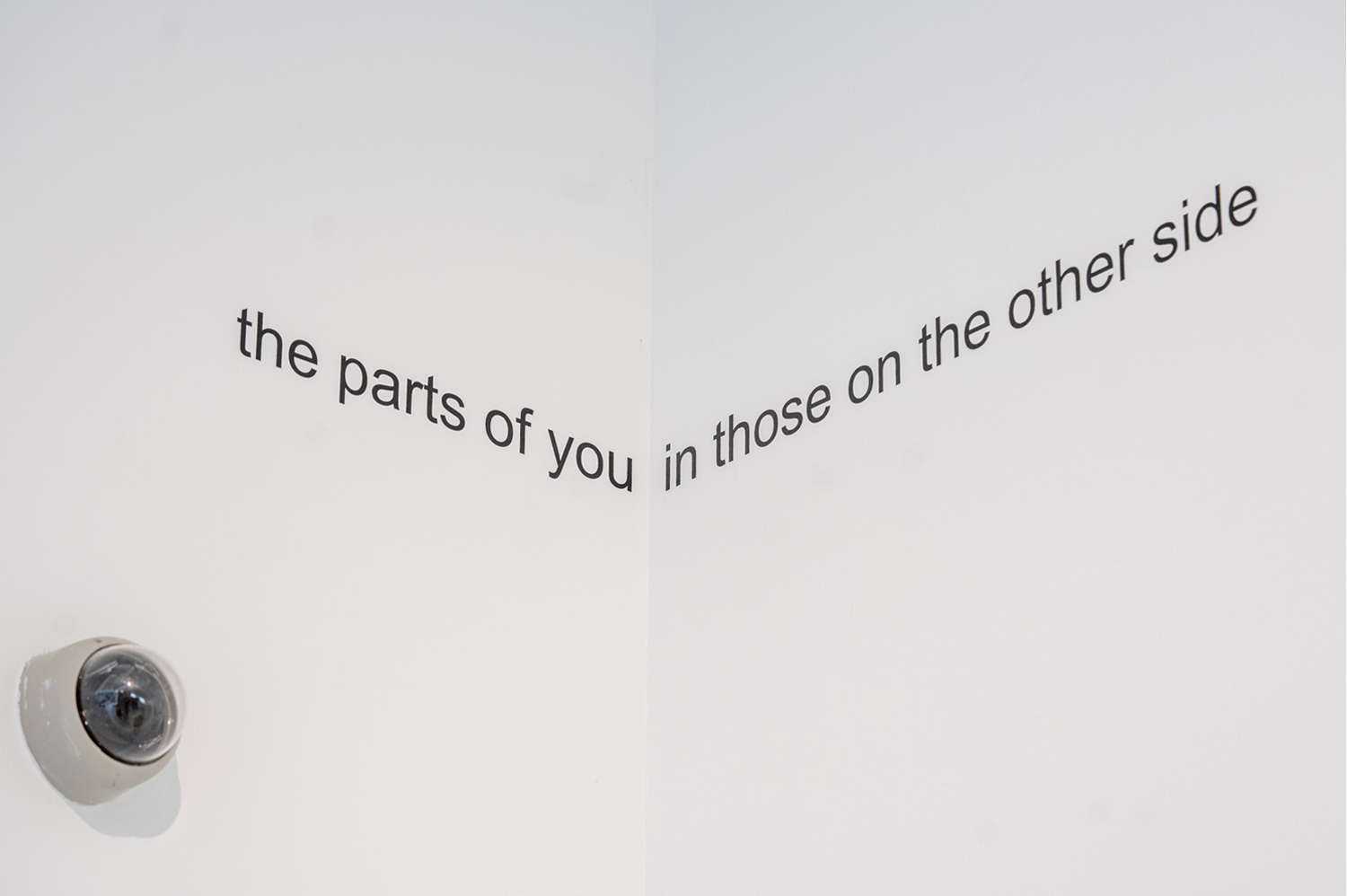
Notes on Performing a Feminist City, 2022Vinyl installation on the gallery window, floor, and walls
Photography: Manuel Molina Martagón